Your nutrition game has layers – and micronutrients are the hidden drivers that fuel every workout.
These vitamins and minerals might only be needed in smaller amounts, but their impact on your energy, rest days, and overall performance is huge.
In this guide, we’ll break down the types of micronutrients, show how micronutrients and macronutrients work together, and share practical micronutrients examples in food so you know exactly how to power your body for peak results.
What are micronutrients?
Micronutrients are the vitamins and minerals your body needs in tiny (or micro) amounts. While macronutrients like carbohydrates, protein, and fat provide energy, essential micronutrients make that energy usable. They drive the chemical reactions that power your movement, repair your muscles – and keep you performing at your best.
Vitamins fall into two key groups:
- Water-soluble vitamins (such as the B-complex and vitamin C) – these dissolve in water and aren’t stored in large amounts, so you need to replenish them regularly.
- Fat-soluble vitamins (A, D, E, and K) – these are absorbed with dietary fats and stored for longer-term use.
Minerals – including calcium, iron, magnesium, and zinc – work alongside vitamins to support bone strength, oxygen transport, and muscle function. Together, micronutrients strengthen your immune system, steady your energy, and keep your body primed for performance.
Types of micronutrients: vitamins
Micronutrients come in two key groups: vitamins and minerals. Each plays a vital role in keeping your body firing on all cylinders during training and recovery.
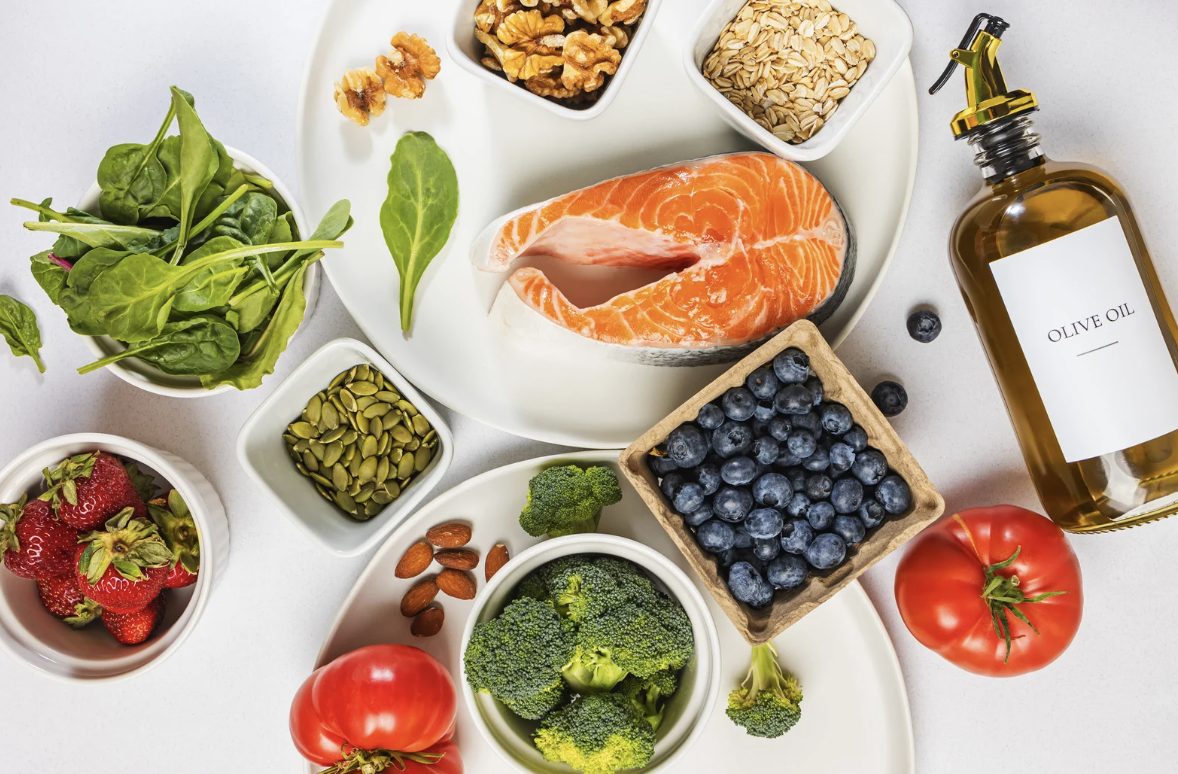
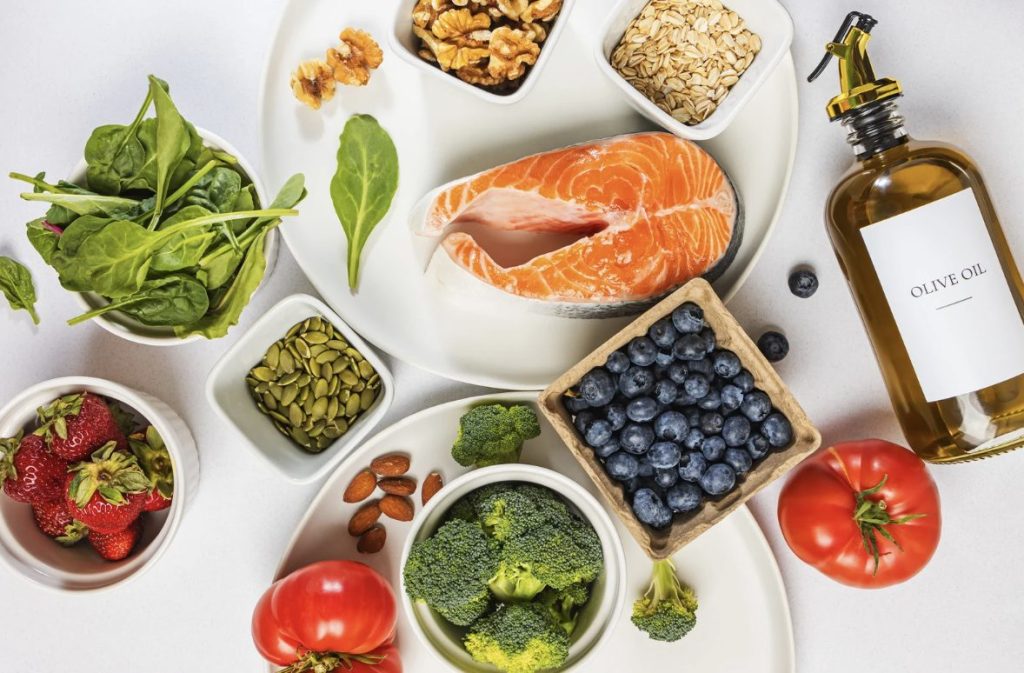
Ahead, you’ll find several micronutrient examples in food that you can build into your weekly meal prep to fuel your next cardio or resistance workout.
Let’s start with vitamins.
Vitamin B Complex
Your energy engine. B vitamins turn carbs, fats, and protein into usable fuels while supporting red blood cells that carry oxygen to your muscles.
Food sources: Brown rice, oats, lean meats, eggs, spinach, kale, lentils, chickpeas.
Vitamin C
A powerhouse antioxidant that shields your cells from workout stress and boosts immunity for faster recovery.
Food sources: Oranges, lemons, strawberries, bell peppers, broccoli, kiwi.
Vitamin E
Works with vitamin C to protect cells and aid muscle repair after training.
Food sources: Almonds, hazelnuts, sunflower seeds, spinach, avocados.
Types of micronutrients: minerals
Minerals are essential micronutrients that power everything: from muscle functionality and hydration to the link between hormones and weight loss.
Here are some of the most important ones, plus food high in micronutrients to add to your diet.
Calcium
Supports strong bones and smooth muscle contractions, helping prevent injury and keeping you sharp through every workout.
Food sources: Dairy, fortified plant milks, kale, bok choy, almonds.
Iron
Delivers oxygen to fuel every rep. Low iron drains energy fast – so keep your levels topped up.
Food sources: Red meat, poultry, spinach, lentils, pumpkin seeds, quinoa.
Magnesium
A recovery and energy powerhouse, magnesium steadies your heart rate and fights cramps and fatigue.
Food sources: Nuts, seeds, whole grains, dark chocolate, leafy greens.
Electrolytes (sodium, potassium, and chloride)
Electrolyte’s benefits include supporting fluid balance, preventing dehydration, and keeping nerves and muscles firing – both during training and while at rest.
Food sources: Bananas, coconut water, table salt, potatoes, tomatoes, oranges.
What do micronutrients do for your body?
Quality nutrition is the unsung hero of performance. Micronutrients drive the vital processes that keep you moving, recovering, and thriving – all while supporting your general health.
Read on for the key ways these nutrients fuel your fitness journey.
Oxygen transport
Iron and copper are essential micronutrients for carrying oxygen to your muscles1,2 – critical for sustaining performance and boosting endurance.
- Iron forms haemoglobin in red blood cells, moving oxygen from your lungs throughout your body.
- Copper helps make haemoglobin and supports healthy blood flow.
Without enough of these, oxygen delivery slows, leaving muscles starved and performance lagging. Keep these minerals balanced to fuel group fitness classes and support faster recovery.
Muscle contraction
Smooth, powerful movement relies on vitamins and minerals working together. The big players here are calcium, magnesium, and potassium:
- Calcium triggers muscle fibres to contract, turning brain signals into movement3.
- Magnesium allows muscles to relax after contracting, helping reduce cramps and stiffness4.
- Potassium balances electrical charges in muscle cells, ensuring efficient contractions5.
Energy metabolism
Micronutrients are the spark plugs of your body’s energy engine.
- B-complex vitamins break down macronutrients like carbs, fats, and protein into usable fuel.
- Magnesium helps convert that fuel into the energy your muscles need to perform.
Without these essential micronutrients, your energy systems can’t operate at full power – leaving you drained in the middle of an intense hybrid workout.
Immune function
Your immune system relies on many types of micronutrients to stay strong and responsive.
- Vitamins C and E act as antioxidants, shielding cells from the stress caused by intense strength training and daily challenges6,
- Zinc and magnesium support immune cell production7 and control inflammation, helping you recover faster and stay resilient.
Without them, your defenses weaken, leaving you more vulnerable to illness and slower to bounce back.
Recovery and tissue repair
After every workout, your body goes into repair mode – and micronutrients keep that process running smoothly.
- Vitamin C supports collagen production8, strengthening connective tissue.
- Zinc aids cell regeneration and muscle fibre repair.
- Magnesium helps reduce inflammation and soreness so you’re ready for your next workout.
Micronutrients and macronutrients: A training duo
Think of macronutrients as the fuel that powers your workouts – carbohydrates, protein, and fats provide the energy your body needs to smash through a class.
Micronutrients, on the other hand, are the catalysts. They spark the chemical reactions that turn that fuel into usable energy, while supporting muscle growth, cardio adaptation, and recovery.
Together, micronutrients and macronutrients form the ultimate training duo, working side by side to keep your body performing at its peak.
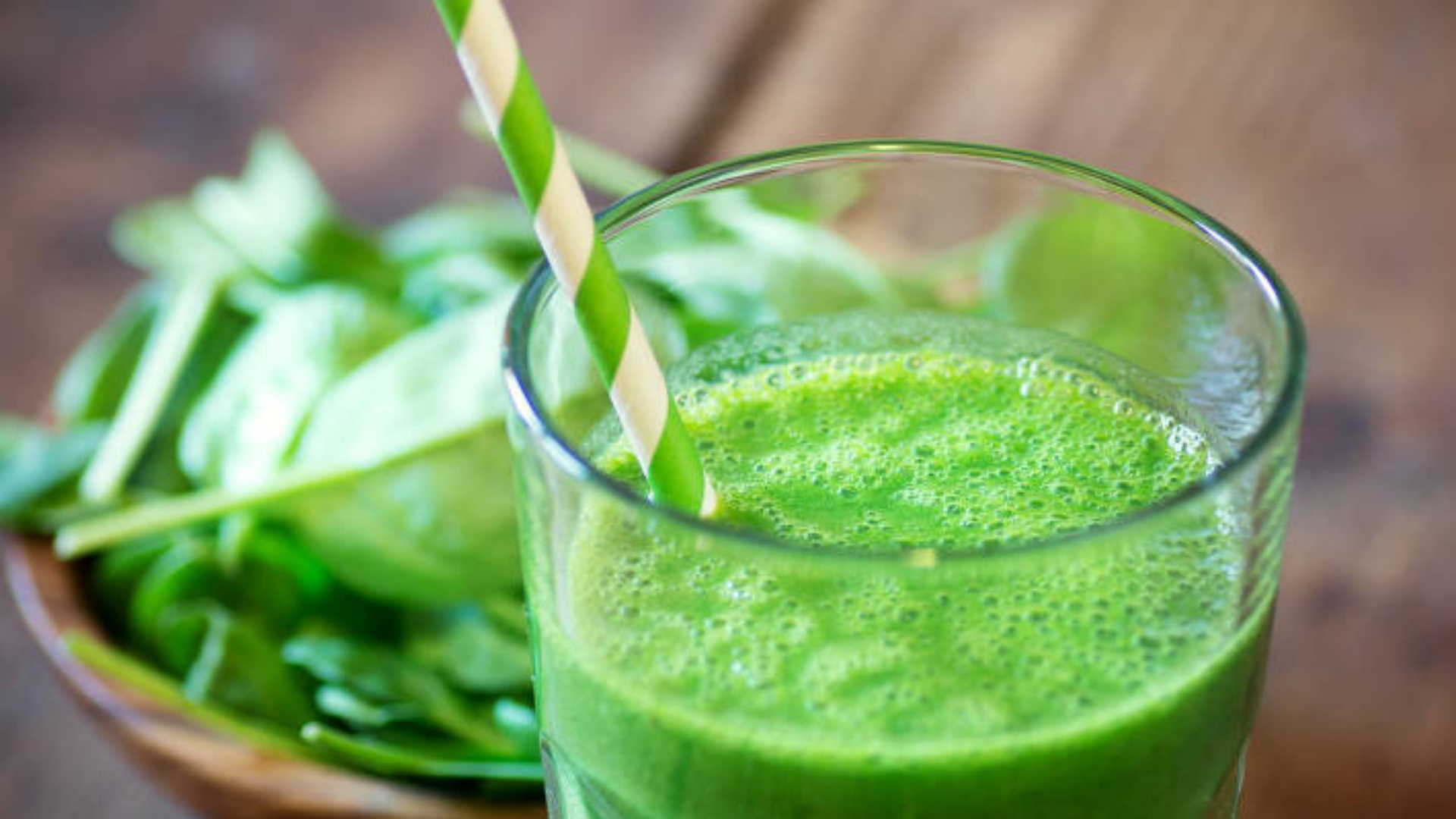
Knowing your micronutrients examples helps you fuel smarter, recover faster, and train stronger. Ready to put this knowledge into practice? Up next: learn how to make a variety of gut-healing smoothies for a whole-body detox.
Sources:
1 https://www.ncbi.nlm.nih.gov/books/NBK597352/
2 https://pmc.ncbi.nlm.nih.gov/articles/PMC2671928/
3 https://pmc.ncbi.nlm.nih.gov/articles/PMC8033154/
4 https://pmc.ncbi.nlm.nih.gov/articles/PMC8020016/
5 https://pmc.ncbi.nlm.nih.gov/articles/PMC6139509/
6 https://pubmed.ncbi.nlm.nih.gov/8942423/
7 https://pmc.ncbi.nlm.nih.gov/articles/PMC10632063/
8 https://pmc.ncbi.nlm.nih.gov/articles/PMC6204628/