For too long, people have thought that the key to fat loss is simply eating less and exercising more. While there definitely needs to be an energy deficit to lose fat and energy balance to keep it off, it isn’t just about eating small portions, depriving yourself and constantly feeling hungry. The good news is that you don’t have to consume less food, just less energy (calories) than what you are burning, and there are a few ways to go about this! One of the most effective is volume eating: focusing on lower energy-dense foods that allow you to eat more, not less. If you’re not sure where to start, here’s how to build a plate that’s both satisfying and fat loss-friendly. Otherwise, read on for our in-depth take!
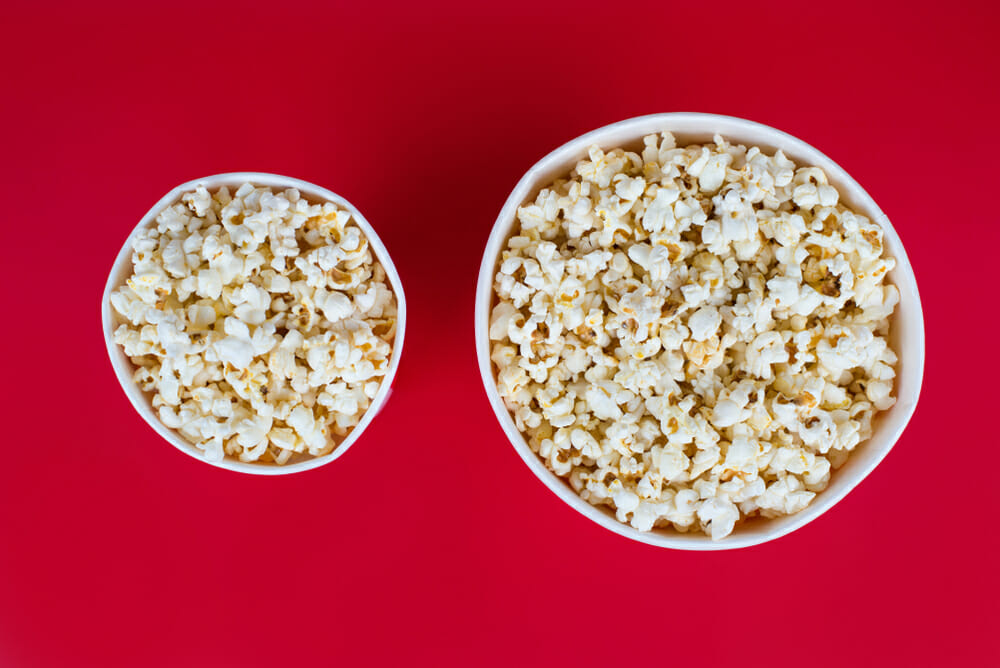
Volume eating allows you to consume your normal volume of food without taking in a large number of calories at the same time. This way of eating is largely about the energy density of food. In other words, does the food or drink have high energy density (high in calories), or is it low in energy density (low in calories)? This means that, for the same weight, the number of calories in food varies depending on the type of food and the makeup of macronutrients. During Regular Season, we discussed macronutrients in detail and the fact that fat is double the energy density per gram, compared to carbohydrate and protein.
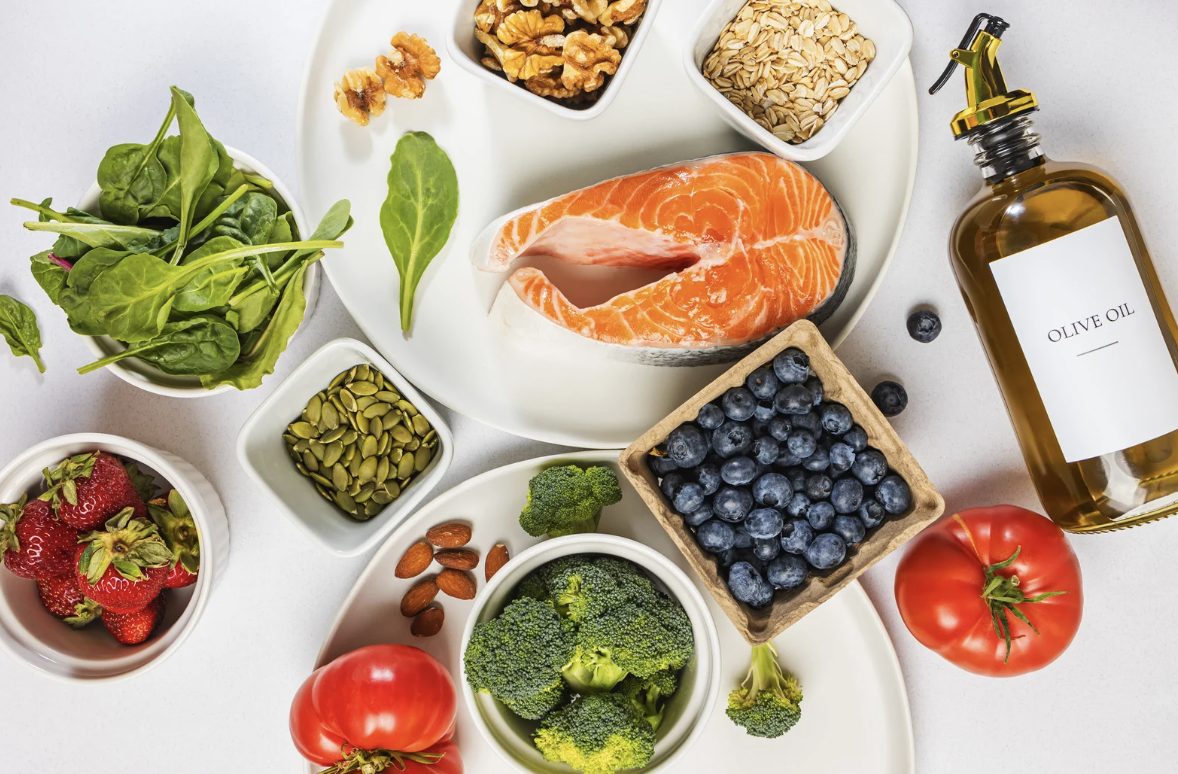
Here is an example of how the macronutrient composition of a food impacts the energy density for the same volume: 1 cup of vegetables contains 100-350kJ, whereas 1 cup of milk contains 500-600kJ. This does not mean you should be eating only vegetables, but adding some fruit and vegetables to bulk out the volume of your meals can reduce the energy density of a meal, while keeping you satisfied. The other reason this is helpful is because our stomach has the same capacity, or volume of space to hold food, regardless of the food we actually eat. This means the amount of food we need to feel full is based on the volume of food we eat, rather than energy of the food. This is why filling up on low energy-dense foods like vegetables (which have a high water and fibre content) helps us feel satisfied and lose fat.
Focusing on volume eating is a game-changer when it comes to meeting your nutrition and body composition goals. Instead of thinking you can only eat small amounts of food, it’s all about tailoring the way you fill your plate to suit your requirements. This is a much more positive way to look at eating—it is flipping a scarcity food mindset to one of abundance. This new, positive mindset will not only prevent you from being left hungry, but it will also prevent you from feeling deprived from the foods you love. The good thing about volume eating is it allows you to enjoy the thing you love, like pizza with your friends, while still meeting your nutrition goals. A great example here is rather than eating a whole pizza (a meal which is often energy dense), you could enjoy a slice or two with a large salad on the side. By filling up half your plate with salad or vegetables, you still get to enjoy your pizza and you won’t be left hungry afterwards.
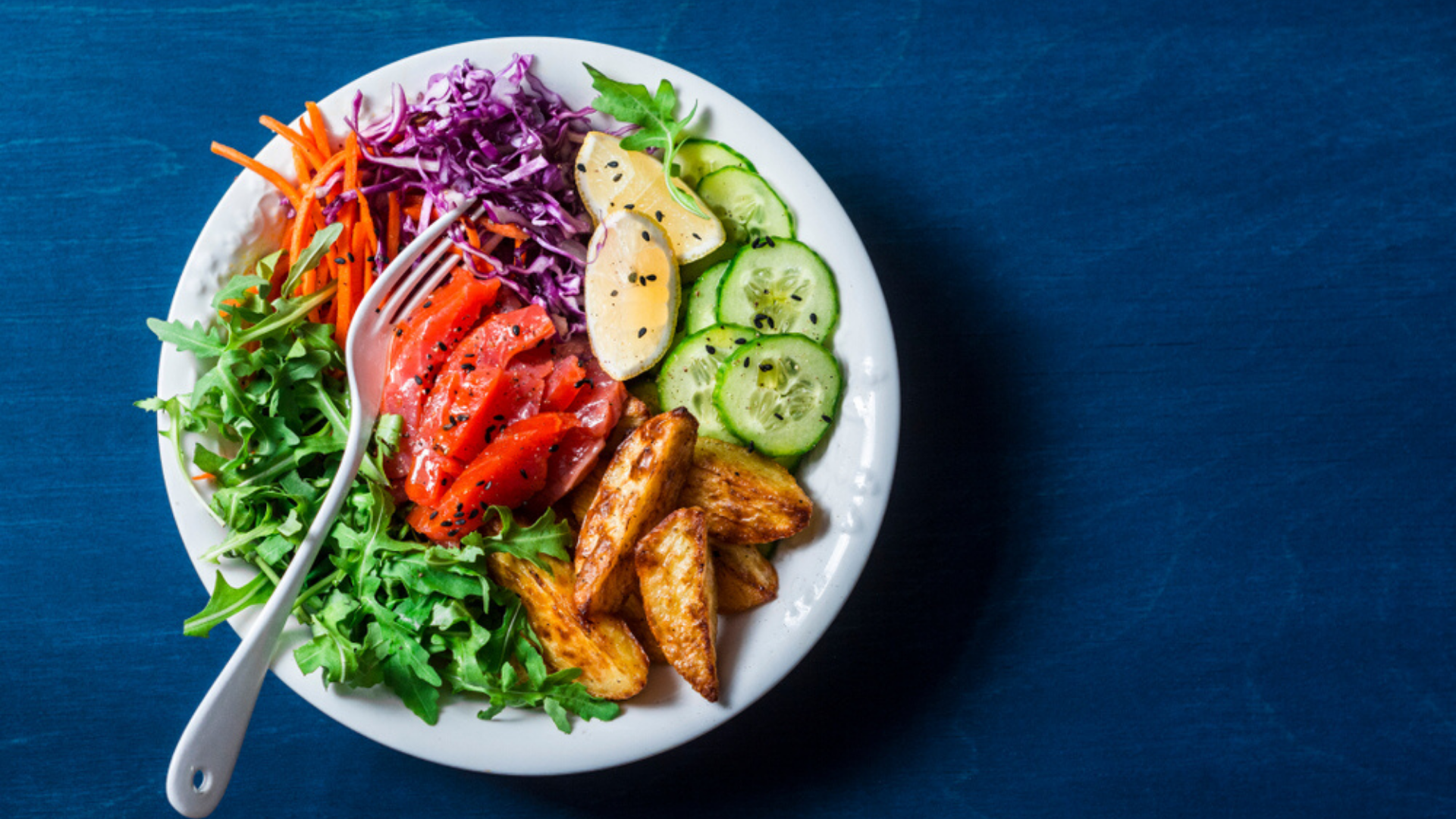
Now, it is important to note that there is not a one-size-fits-all approach when it comes to volume eating. Your ideal food ratios will depend on your goals – whether that’s fat loss, maintenance, or fuelling performance. Volume eating also pairs well with the idea of nutrition by addition – focusing on what you can add to your plate (like fibre-rich veggies or lean protein) rather than what you need to cut out. The makeup of your meals will naturally shift depending on how active you are and whether you’re aiming to maintain or lose weight.
For example, an active person looking to maintain his or her weight or build lean muscle may have a plate which consists of more energy-dense foods. On the other hand, if weight loss is your goal, your plate may consist of fewer energy-dense foods and a larger amount of lower energy foods. While the volume of food consumed will be similar between individuals, the number of kilojoules you consume will vary depending on your nutrition goals.